Betta fish are admired around the world for their vibrant colors, elegant fins, and bold personalities. They are often kept as individual display fish in aquariums because of their territorial nature. There is one common question among Betta keepers: Can male and female Betta fish live together? While the idea of keeping a pair together may seem appealing, Betta compatibility is more complex than it first appears.
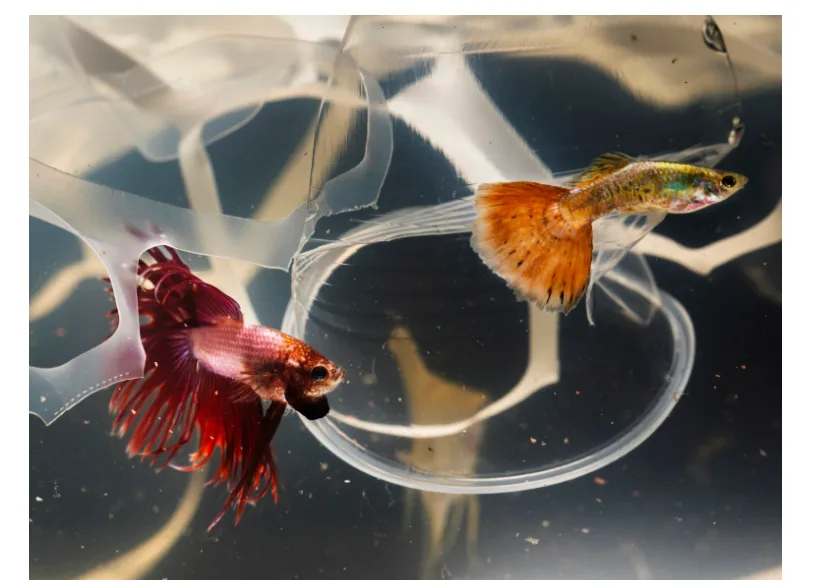
Understanding how Bettas behave in the wild, their breeding instincts, and the conditions required for safe interaction is important for anyone considering housing male and female Bettas in the same tank.
Natural Behavior of Betta Fish
Betta fish, also known as Siamese fighting fish, originate from Southeast Asia, particularly Thailand, Cambodia, Vietnam, and Malaysia. In the wild, they live in shallow waters such as rice paddies, slow-moving streams, and flooded fields.
Male Bettas are naturally territorial and will defend their space aggressively against other males and sometimes even other fish. This territorial instinct is one reason why Betta fish are typically kept alone in aquariums.
Female Bettas are generally less aggressive than males, but they can still display territorial behavior, especially when competing for food or space. When a male and female Betta encounter each other, their interaction often revolves around breeding rather than long-term companionship.
Breeding Behavior Between Bettas
The most common reason male and female Bettas are placed together is for breeding. When a male Betta is ready to breed, he builds a bubble nest at the water surface using small bubbles coated with saliva. This nest serves as a place to hold and protect fertilized eggs.
If a female Betta is receptive, she may display vertical stripes along her body and approach the nest area. During spawning, the male wraps around the female, and eggs are released and fertilized.
After spawning, the male collects the eggs and places them in the bubble nest. At this stage, the female should usually be removed from the tank. Male Bettas become extremely protective of the eggs and may attack the female if she remains nearby.
Challenges of Keeping Bettas Together
Although breeding behavior allows male and female Bettas to interact temporarily, keeping them together permanently is rarely successful in small aquariums.
The main issue is aggression. Even if a male and female initially appear calm, territorial disputes may occur over time. Chasing, fin nipping, and stress can become frequent, especially in confined spaces.
Stress caused by constant conflict can weaken the immune system of the fish, increasing the risk of illness. Injuries from fighting can also lead to infections or long-term health problems.
Because of these risks, most aquarists recommend keeping Bettas separately unless breeding is intentionally planned.
Aquarium Conditions and Tank Setup
If a fish keeper attempts to introduce male and female Bettas, the aquarium environment plays an important role in reducing aggression.
A larger tank with plenty of plants, driftwood, and decorations can help create visual barriers. These hiding spots allow the female to escape if the male becomes territorial. Dense vegetation also mimics the natural environment where Bettas can retreat and feel secure.
Water conditions should be stable and suitable for Bettas, typically between 24°C and 28°C with gentle filtration. Maintaining clean water and consistent parameters helps reduce stress and improve the health of the fish.
Close observation during introductions is essential. If aggressive behavior appears, the fish should be separated immediately.

Alternative Betta Tank Options
For many Betta owners, keeping a single Betta fish in a well-decorated aquarium is the safest option. A lone Betta can thrive when given proper care, enrichment, and suitable tank mates that do not trigger aggression.
Another setup sometimes used is a female Betta group, often called a “Betta sorority.” However, even this arrangement requires a larger tank and careful monitoring because females can still be territorial.
Peaceful community fish, such as certain small schooling species or bottom-dwelling fish, may coexist with Bettas in the right environment, although compatibility varies.
Conclusion
Male and female Betta fish can interact temporarily during breeding, but they generally do not live together peacefully in most home aquariums. Their territorial instincts and aggressive tendencies make long-term cohabitation difficult and potentially harmful.
For most aquarists, keeping Bettas separately ensures a safer and less stressful environment. By understanding Bett behavior and providing proper care, fish keepers can enjoy these beautiful fish while maintaining their health and well-being.
FAQs
Do male and female Betta fish get along in the same tank?
Usually not. Male Bettas are territorial and may become aggressive toward females if kept together for long periods.
When can male and female Bettas be placed together?
They are typically introduced only for breeding, and the female is usually removed after spawning.
How can aggression between Bettas be reduced?
A larger aquarium with plants, hiding spaces, and stable water conditions can help reduce stress and conflict.
Is it better to keep Betta fish alone?
Yes. In most cases, a single Betta fish kept in a properly maintained aquarium is the safest and healthiest option.