Brent crude and West Texas Intermediate post some of their steepest one-day falls since the pandemic era as a pause in United States strikes on Iran eases fears over the Strait of Hormuz, even as the truce comes under strain.
Oil prices fall sharply in the latest session as Washington pauses its strikes on Iran, draining the risk premium built up over thirteen days of conflict. Brent crude drops 8.7% to $88.4 a barrel, retreating from a brief return above $100 earlier in the week, while West Texas Intermediate falls 7.5% to $82.6. Sycamine Capital Management Pte. Ltd. reads the move as a repricing of disruption risk rather than its removal.
The scale of the unwind measures the size of the premium that the conflict had built into the barrel. Brent now stands 13% below its weekly peak of $102, having shed as much as 16% from that peak at the low point of the session.
Prices before the conflict sat below $73 a barrel, leaving a residual premium of more than $15 even after one of the heaviest single-day falls in years. Natural gas, wholesale petrol and heating oil all trade sharply lower. Investors place a combined $950.2 million wager on falling prices in the hours before the ceasefire, suggesting some anticipated the diplomatic turn. Japan’s Nikkei 225 climbs 5.5% and Europe’s Stoxx 600 adds 3.8% over the same session, while spot gold gains 2.5% and silver 5%.
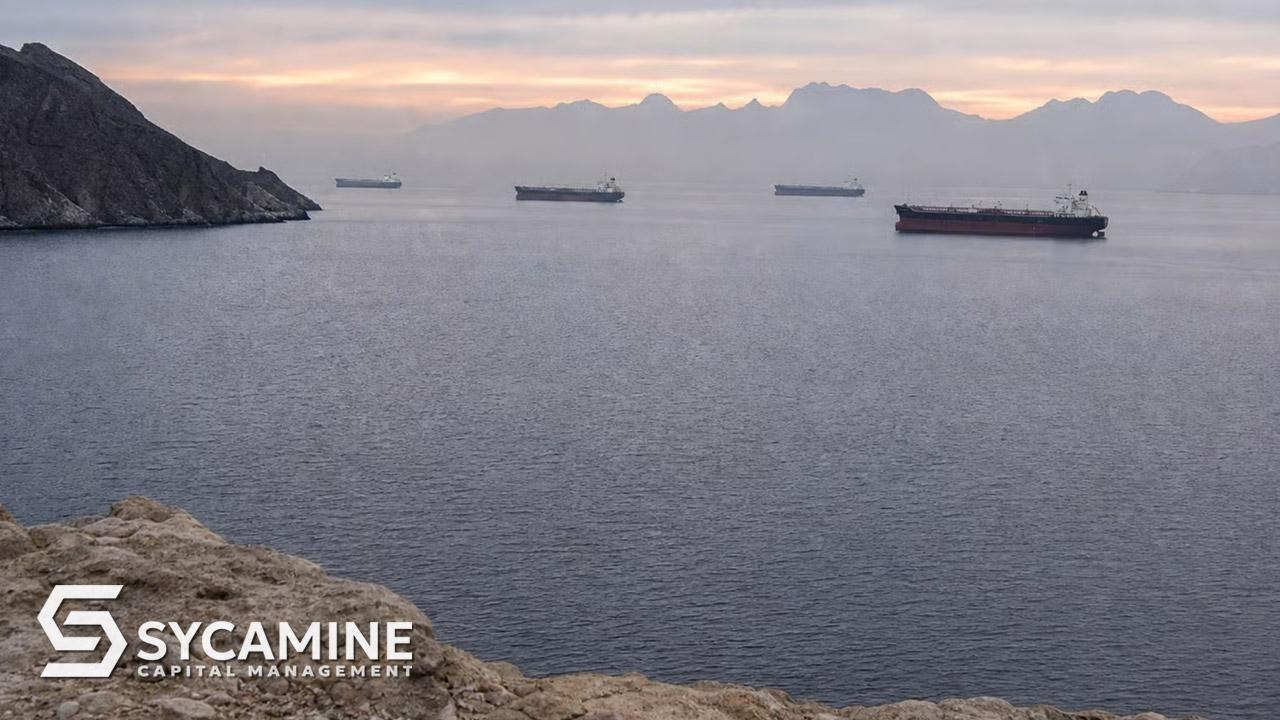
The Strait of Hormuz explains why less than a fortnight of hostilities moves the oil price so violently. Roughly a fifth of the world’s oil and liquefied natural gas passes through the channel. Traffic that normally runs to 3,000 vessels a month thins sharply once Iran threatens tanker attacks. An estimated 80 mines now sit in the navigation lanes, and insurance is becoming unobtainable or prohibitively priced.
That chokepoint arithmetic sets the terms on which any pause in the fighting has to be judged. The sell-off, in the assessment of Jerry Farrington, who serves as Senior Vice President at Sycamine Capital Management, marks a change in the odds while the underlying exposure holds steady, since “the market has repriced the probability of disruption, not the capacity for it.” Tehran offers coordinated safe passage for two weeks and confirms transit for vessels it deems non-hostile, while signalling that pre-conflict conditions will not return and that fees on transiting vessels are threatened.
The agreement comes under pressure almost immediately, and the pattern of the conflict reasserts itself within a day. Both sides are exchanging fresh strikes. Iran launches further attacks on Israel and Gulf states, and President Donald Trump threatens to tear up the memorandum of understanding underpinning the pause. Reports circulate that the strait has closed again, while the Revolutionary Guard adds fresh mines and drones hit Saudi Arabia’s East-West pipeline, putting the day’s relief back in question.
Goldman Sachs revises its crude oil forecasts within hours of the ceasefire announcement. A less benign scenario has production losses of 2 million barrels a day pushing Brent to an average of $126.2 a barrel later in the year. Market participants treat the sell-off as position-squaring by traders who had hedged the worst case.
Ceasefires without enforcement mechanisms have a poor record, and this one carries all the familiar weaknesses. Absence of third-party monitoring lets incidents escalate unchecked, non-state actors such as Hezbollah operate outside any bilateral understanding, and a truce brokered before the current round collapsed. Farrington points to American operations run during active negotiations, among them Operation Epic Fury and Operation Midnight Hammer, as grounds for caution, adding that “a pause resting on goodwill alone has to be re-earned every week.”
Qatar’s Ras Laffan complex, which produces close to a fifth of global liquefied natural gas, sustains attacks that have cut export capacity by 17%, with repairs likely to take five years. Damage across the region since the fighting began may exceed $27.4 billion, while the Energy Information Administration expects most crude output to return to near pre-conflict averages within months.
Energy prices reach central banks through household expectations and through the pricing decisions of firms. Each 1% rise in electricity costs lifts German household inflation expectations by 1.4 basis points on impact, and firms pass roughly 70% of an energy price shock into output prices in the quarters that follow. The OECD has raised its annual headline inflation projection for the United States to 4.2%, and Federal Reserve officials warn that sustained energy costs delay rate cuts.
Oil return volatility predicts regime shifts across financials, industrials, energy and utilities, which deliver higher returns when oil market uncertainty is low. Research on defensive weightings of between 10% and 40% points to firmer risk-adjusted returns through geopolitical stress. Sycamine Capital Management reads the episode as a demonstration of how far ahead of confirmation markets move, and Farrington puts the point plainly, arguing that “preservation of capital and the pursuit of opportunity are not competing objectives in a market of this kind.”
About Sycamine Capital Management Pte. Ltd.
Founded in 2008, Sycamine Capital Management Pte. Ltd. applies rigorous analysis to place investors ahead of shifts in market conditions. Its anticipatory research across artificial intelligence and ESG sectors surfaces opportunities early and helps clients navigate what comes next. Further reading is available at https://scmgt.com/sycamine-investment-focus-articles/.
Contact Person: Simon Lau (Media Relations)
Email: simon.lau@scmgt.com
Website: https://scmgt.com