Augmented reality (AR) is transforming the way people interact with technology, products, and brands. By combining digital elements with the real world, this innovative technology creates interactive experiences, helping businesses and brands communicate more effectively with their consumers. From virtual product visualizations to immersive advertising campaigns, augmented reality provides new opportunities for companies across different industries.
As customers increasingly expect engaging and personalized digital experiences, businesses are exploring AR to improve customer satisfaction, strengthen brand awareness, and stand out in competitive markets. With the development of accessible augmented reality platforms, businesses of various sizes can now easily experiment with interactive content online.
What is Augmented Reality
Augmented reality is a technology that adds digital content, such as 3D objects, animations, graphics, and information, to a user's real-world environment. Unlike virtual reality, which creates a completely digital environment, AR enhances the physical world by combining digital elements with the real world.
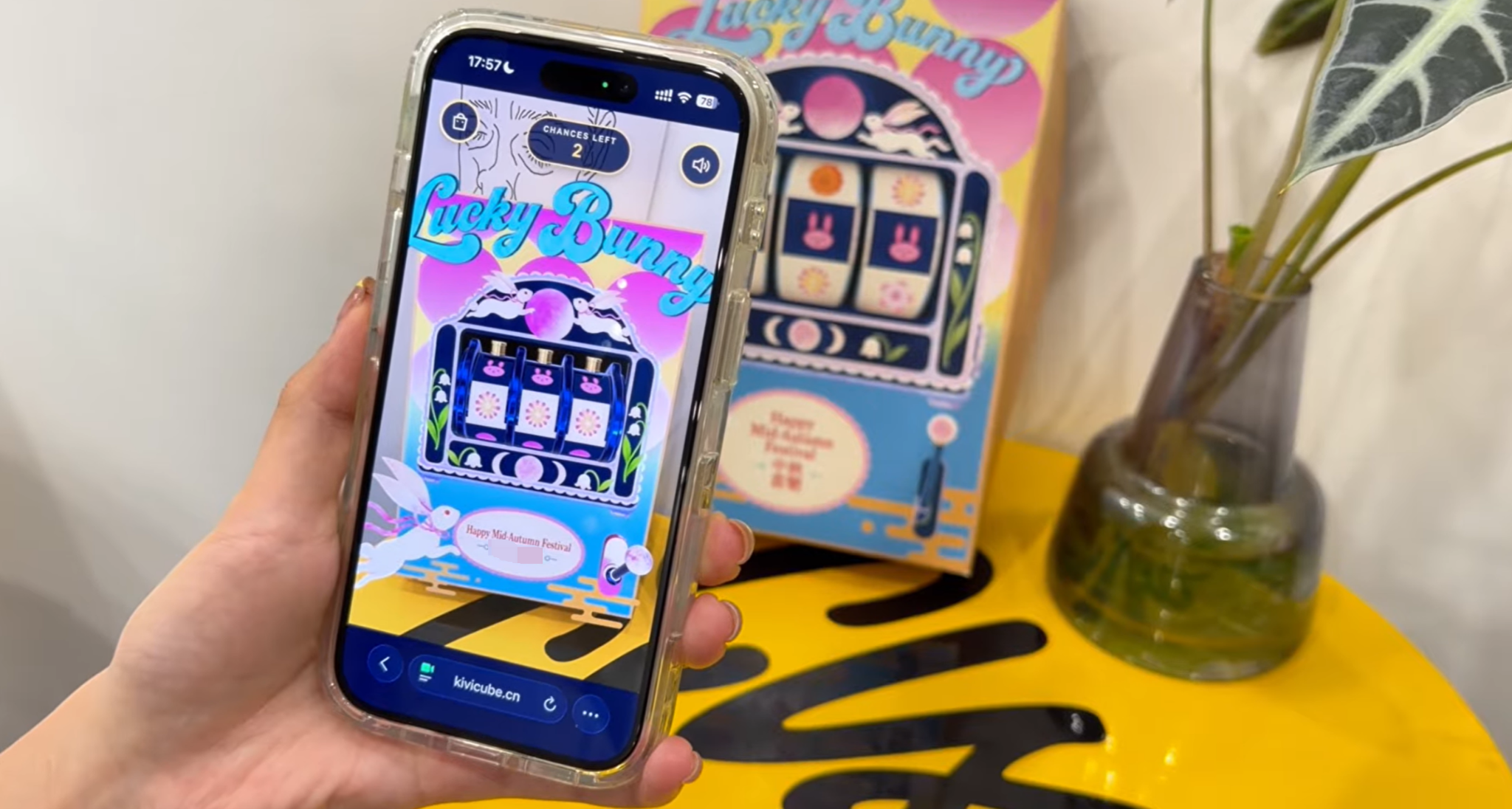
People can try augmented reality experiences through their smartphones, tablets, webcams, and compatible wearable devices. For example, customers can use their mobile cameras to visualize and place furniture in their homes, preview cosmetic products, or interact with digital animations on product AR packaging.
Web-based AR has made this technology even more accessible. Users can often open an experience directly through a browser by scanning a QR code or clicking a link. No dedicated app is required for the interactive experiences.
Benefits of Augmented Reality in Marketing
Marketing is one of the most promising applications of augmented reality. Traditional advertising formats, including printed advertisements, banners, promotional videos, etc., can convey product information effectively. However, AR allows customers to participate in the experience instead of simply viewing promotional content.
With augmented reality marketing experiences, brands can create interactive campaigns that encourage customers to explore products in depth and engage with digital content. For example, a company might transform product packaging into an interactive AR game, allowing customers to scan a QR code and play the game.
AR can also support virtual try-ons and interactive advertisements, making campaigns more memorable and encouraging customers to share their interactions on social media.
Another significant advantage is improved product visualization. Customers can preview selected products in their own surroundings before making a purchase. This is particularly valuable for furniture, home décor, fashion, cosmetics, and consumer electronics, where appearance and suitability can influence purchasing decisions.
Successful AR marketing campaigns should focus on providing genuine value. Interactive features need to be relevant, easy to use, and aligned with the brand's overall marketing objectives.
Applications of Augmented Reality Across Industries
Augmented reality offers practical benefits beyond marketing and advertising. Its versatility makes it useful in several sectors.
Retail and e-commerce: Online shoppers cannot always determine how a product will look or fit from photographs alone. AR enables virtual product previews and try-on experiences, helping customers make more informed purchasing decisions.
Education: Teachers can use AR to present complex concepts through interactive three-dimensional models. Students can explore scientific structures, historical objects, and geographical environments in engaging ways that complement traditional learning methods.
Real estate and interior design: Property professionals and designers can use AR to visualize furniture, interior layouts, and design concepts. This helps clients understand how proposed changes might look before making financial commitments.
Tourism and entertainment: Museums, attractions, and travel destinations can introduce interactive guides, digital characters, and location-based information. These experiences can make visits more informative and enjoyable.
Manufacturing and maintenance: AR can provide technicians with visual instructions, equipment information, and step-by-step guidance. When appropriately implemented, these tools can support training and improve access to important operational information.
Choosing the Right Augmented Reality Platform
Selecting suitable technology is an important step for businesses planning to introduce augmented reality. A reliable augmented reality platform such as Kivicube can help organizations develop interactive digital experiences for marketing, product demonstrations, and customer engagement.
Before selecting a solution, businesses should consider ease of use, customization options, mobile compatibility, tracking capabilities, and available publishing features. Browser-based experiences can be particularly useful because customers may access them through a simple link or QR code.
Companies should also identify their primary goals before beginning development. For example, a retailer might want to improve product visualization, while a restaurant could use AR to make its menu more interactive. Establishing clear objectives makes it easier to choose suitable features and evaluate the results.
Testing is equally important. Businesses should check how experiences perform on different devices, ensure that digital content loads quickly, and provide clear instructions for users. A smooth and accessible experience encourages participation and reduces the likelihood that customers will abandon the interaction.
Challenges of Augmented Reality
Businesses must consider several challenges.
Developing high-quality digital assets can require time and investment. Device compatibility, internet connectivity, and technical performance can also affect the user experience.
Privacy is another important consideration. Companies should handle camera permissions and customer information responsibly, provide transparent privacy notices, and collect only the data necessary for their intended purposes.
The best approach is to prioritize usability over complexity. An AR experience that solves a real customer problem can deliver more value than an elaborate feature that lacks a clear purpose.
The Future of Augmented Reality
The future of augmented reality will likely be shaped by developments in artificial intelligence, mobile technology, and wearable devices. Improvements in object recognition and digital content creation may make AR experiences more realistic, personalized, and easier to develop.
Businesses may increasingly use AR to connect physical products with digital services, provide contextual information, and deliver interactive shopping experiences. From smart packaging to virtual showrooms, the technology offers opportunities to improve how customers discover and understand products.
Organizations that experiment with clear objectives, monitor performance, and respond to customer feedback can prepare themselves for these developments.
Conclusion
Augmented reality is reshaping the relationship between the physical and digital worlds. Its applications in marketing, retail, education, real estate, and manufacturing demonstrate its potential to improve communication and create more engaging experiences.
By choosing suitable technology and focusing on customer needs, businesses can use AR to showcase products, strengthen engagement, and explore new opportunities for growth. As the technology continues to develop, augmented reality is expected to play an increasingly important role in digital experiences and modern business strategies.