Despite strong agricultural exports, fruit consumption in Japan continues to decline. Over the past 50 years, per capita intake has fallen by half, reflecting changing eating habits.
TOKYO, JAPAN (MERXWIRE) – When was the last time you ate fruit? In Japan, this simple habit is becoming less common. According to recommendations from the Ministry of Health, Labour and Welfare, adults should consume about 200 grams of fruit per day. However, by 2024, the average daily intake had fallen to just 78.1 grams—less than half the recommended amount.
So why are people eating less fruit? The Ministry of Agriculture, Forestry and Fisheries points to several reasons, with high prices cited by nearly half of respondents. In addition, fruit is often seen as difficult to store and time-consuming to prepare, while some consumers feel it can be replaced by other foods.
The trend is especially noticeable among people aged 20 to 50, many of whom say they “rarely” or “almost never” eat fruit. In contrast, those aged 60 and above are more likely to maintain a daily fruit-eating habit.
As lifestyles become busier, consumer expectations are also changing. Shoppers are increasingly looking for fruit that is convenient, affordable, and longer-lasting. Taste, sweetness, and freshness have also become key factors when making purchasing decisions.
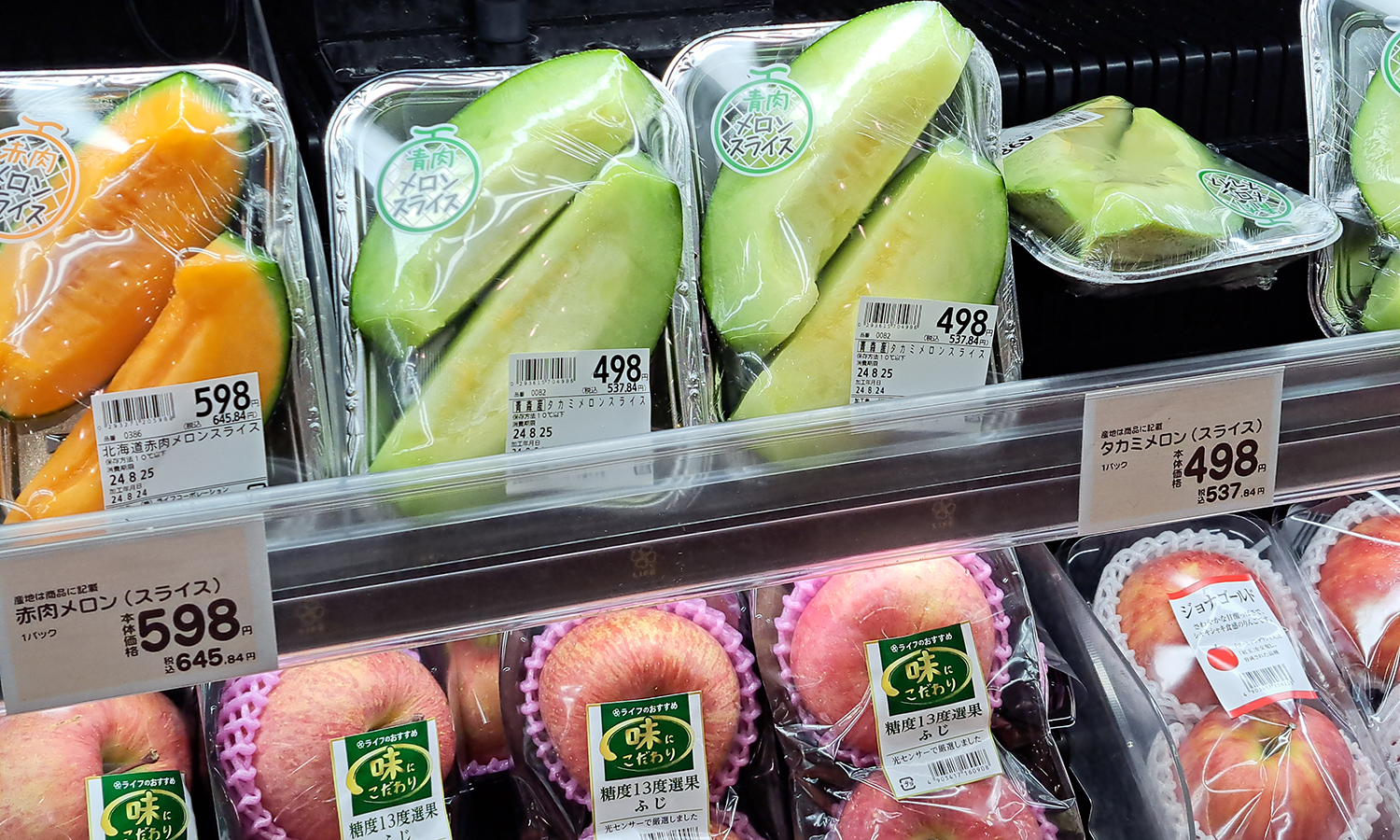
In response, the Kanto Smart Living Cooperative suggests choosing fruit that fits individual lifestyles, such as pre-cut ready-to-eat options or varieties with longer shelf life. It also encourages consumers to take advantage of seasonal produce and promotional offers to make fruit more affordable while maintaining a balanced diet.
To boost consumption, the Japanese government and related organizations are promoting the “200 grams of fruit per day” campaign through school education, social media outreach, and even collaborations with cafés to make fruit more appealing.
Meanwhile, producers are developing more user-friendly “next-generation fruits,” such as mini watermelons with edible seeds and kiwifruit that can be eaten with the skin on. These innovations aim to lower the barriers to consumption and bring fruit back into everyday diets.
Media Contacts:
Kanto Smart Living Cooperative
PR Agency:
MERXWIRE INC.
Ada Huang
pr@merxwire.com
SOURCE: Kanto Smart Living Cooperative