MARK STORY / COMMERCIAL CONSTRUCTION SERVICES LLC
CALDWELL, ID / ACCESS Newswire / April 10, 2026 / The construction industry has a diagnosis problem. When projects fail, the reflexive response often blames execution: workers were not skilled enough, crews were not motivated, coordination was poor. But Mark Story, who has spent 37 years managing some of America's most complex construction projects, sees a different culprit. The real issue concerns what teams are asked to execute without proper planning rather than how they execute.
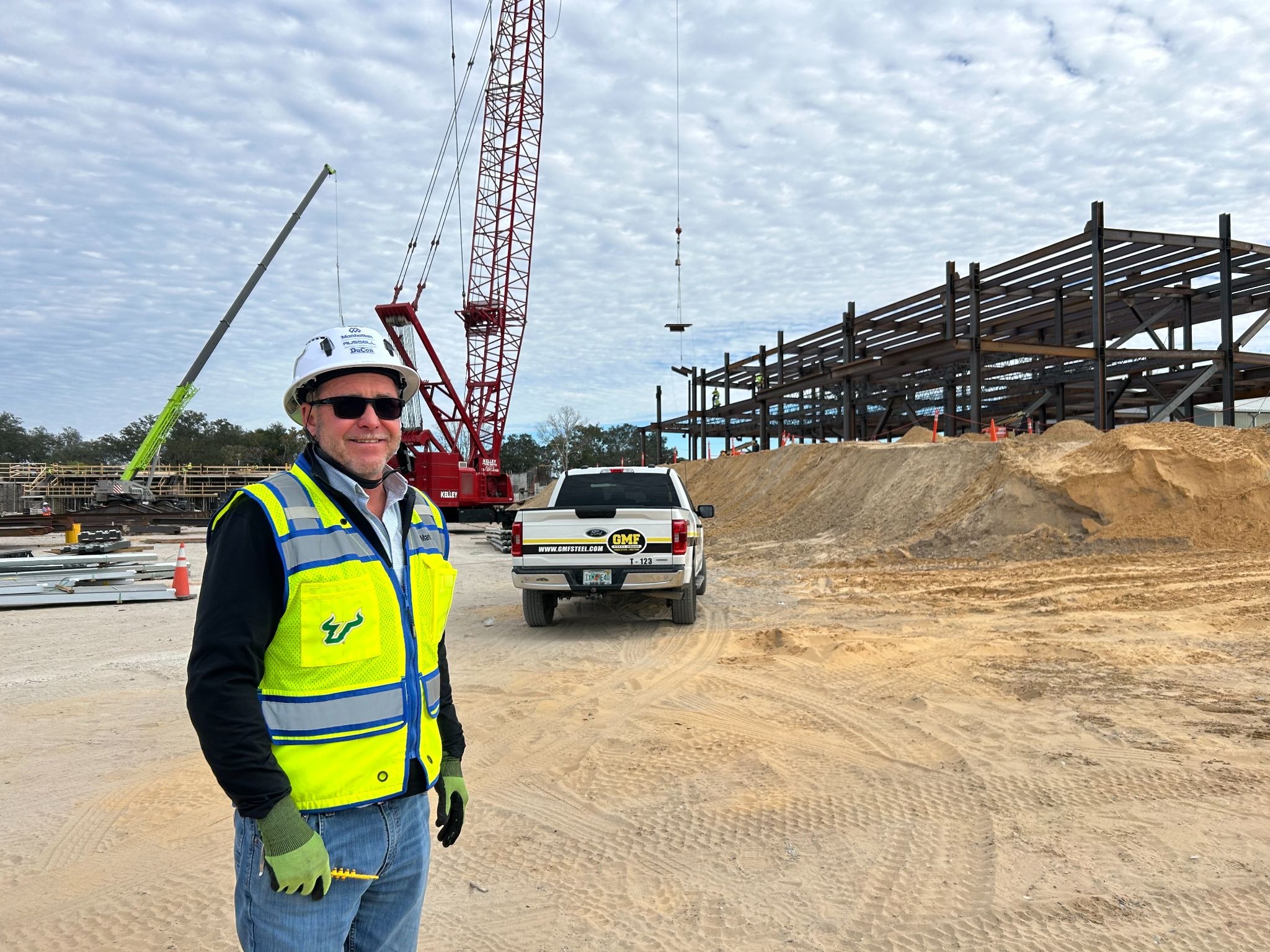
"Projects and teams fail when they don't have a plan," says Story, owner of Commercial Construction Services LLC in Caldwell, Idaho. This straightforward observation challenges a fundamental assumption in construction management: that the primary differentiator between successful and failed projects is the quality of execution rather than the quality of planning.
Story's perspective comes from an unusually diverse project portfolio. He has worked on historic renovations, assisted in building data centers for the Federal Government after September 11, and helped construct some of the largest and fastest data centers and semiconductor plants in America. He has built football stadiums, basketball arenas, large healthcare facilities, and aviation projects. Across these varied projects, spanning multiple sectors and scales, Story has observed a consistent pattern: the projects that succeed have robust operational plans established before construction begins.
"Operations planning for a successful project must start in the pre-construction phase," Story emphasizes. This timing is critical and frequently overlooked. Many general contractors treat pre-construction primarily as a design and budgeting exercise. The detailed operational planning, how the project will be run, how teams will coordinate, how materials will flow, how problems will be escalated and resolved, often gets deferred until after ground is broken. By then, teams are making operational decisions on the fly, reacting to circumstances rather than executing against a strategic plan. The industry remains trapped in an outdated approach: bullying through projects and hoping to make dates rather than creating predictable outcomes through deliberate strategic planning.
The consequences compound quickly. Without clear operational frameworks established upfront, teams struggle with role clarity, communication protocols, and decision-making authority. Small inefficiencies multiply. Coordination problems emerge. What should be routine challenges become sources of friction and delay. By the time leadership recognizes the project is in trouble, the team is already demoralized and behind schedule.
Story has been called into numerous large-scale projects in exactly this situation, projects that were failing and needed to be rescued. His turnaround methodology reveals what was missing: better plans rather than better workers. "I have been trusted to step into large-scale projects that were failing," Story explains. "I help rally teams, create a winning atmosphere, and complete projects on time." The common thread in these turnarounds involves establishing the operational planning, respect for trades, collaboration, consistency, and accountability that should have existed from day one rather than replacing personnel or changing contractors.
This planning-first mindset extends to every aspect of Story's work, including how he thinks about job site safety. Story advocates for the Varicap rebar safety cap, which addresses a planning gap many contractors overlook: the gap between compliance and genuine protection. Traditional rebar caps frequently fall off, creating impalement hazards and forcing crews to constantly replace them. The Varicap stays securely on #4 to #11 bar and T posts without additional labor or materials like lumber or nails. "It protects our most valuable asset, our people, better than any other competitors," Story notes. The product exemplifies proper planning: anticipating the real-world conditions where traditional solutions fail and implementing something that actually works.
This insight has shaped how Commercial Construction Services LLC approaches training and coaching. The company provides what Story describes as "direct, relative coaching and training that the construction industry is starving for." The training focuses on planning expertise as a core competency rather than an administrative afterthought. CCS works to transform the industry from reactive crisis management to deliberate strategic planning, dissecting projects phase by phase and zone by zone to create predictable outcomes instead of last-minute scrambles.
Commercial Construction Services LLC uses a three-legged stool approach that integrates operations experience, planning expertise, and technology, all supported by professional coaching. The operations experience leg ensures training is grounded in real-world challenges. The planning expertise leg gives teams frameworks for proactive management instead of reactive responses. The technology leg provides tools that enable better planning and execution. Professional coaching helps teams internalize and apply these elements in their specific contexts.
This approach differs significantly from typical general contractor training programs. "Most general contractors provide training that does not help teams in the ways they actually need or want," Story observes. The gap concerns relevance rather than training volume or investment. Training that fails to address teams' actual operational challenges, particularly around planning, does not move the needle on project outcomes.
Looking ahead, Commercial Construction Services LLC is bringing its planning-focused methodology to multiple general contractors, helping companies build planning capabilities throughout their organizations. The goal is to make operations planning in the pre-construction phase standard practice rather than the exception.
For Mark Story, the mission is clear: "We are growing people into leaders, builders, and planners."
About Commercial Construction Services LLC: Commercial Construction Services LLC works with general contractors and construction teams to build planning expertise, operational discipline, and leadership capability across all phases of a project. Founded by Mark Story, the firm brings 37 years of experience across some of the most complex construction projects in America to help teams create predictable outcomes through deliberate strategic planning.
Commercial Construction Services LLC
Mark Story
david@gldnpr.com
https://www.linkedin.com/in/mark-story-a557961b5/
Caldwell, Idaho
SOURCE: Mark Story
View the original press release on ACCESS Newswire