Power banks have shifted from essential travel accessories to a key focus of aviation safety management. Under the latest international regulations, passengers are generally limited to carrying no more than two power banks, and charging them during flight is prohibited.
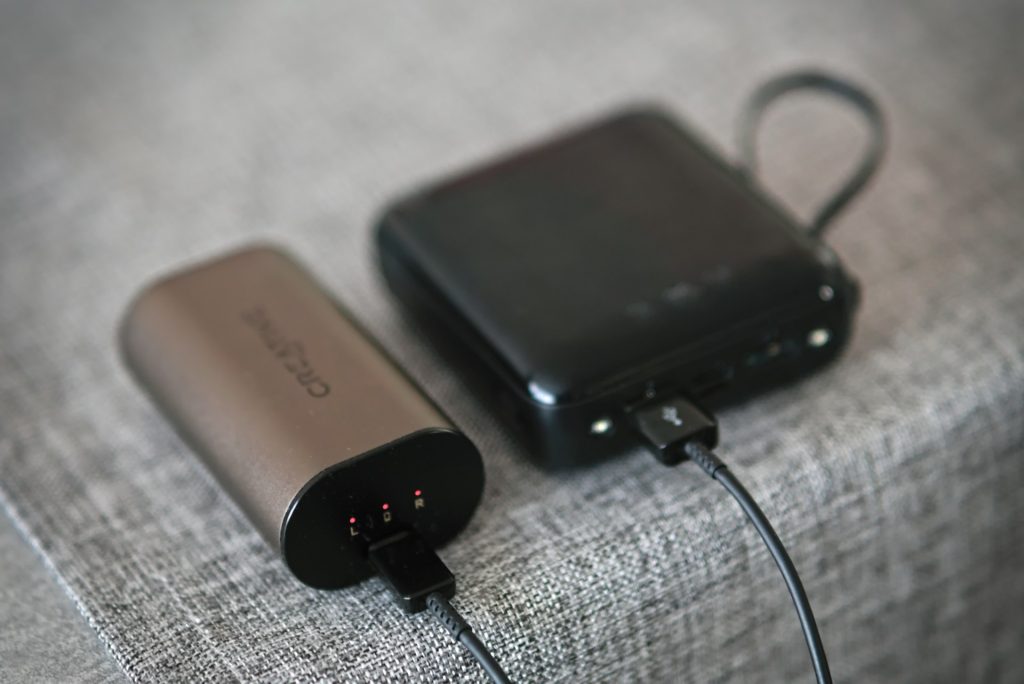
WASHINGTON, D.C. (MERXWIRE) – When travelling abroad, smartphone usage typically increases significantly. Navigation, photography, and real-time information access are in constant demand, leading to faster battery depletion. Beyond searching for charging outlets, power banks have become a standard item carried by most travellers.
The International Civil Aviation Organisation has approved updated safety regulations that will take effect in March 2026, imposing stricter limits on both the number of power banks passengers may carry and how they may be used. Under the new rules, each passenger is generally limited to carrying no more than two power banks, and charging them during flight is prohibited.
As smartphones and other mobile devices become increasingly ubiquitous, reliance on backup power continues to grow, making power banks a common travel accessory. Market research indicates that the global power bank market reached approximately USD 15.57 billion in 2025 and is expected to continue growing, with projections suggesting it could exceed USD 20 billion in the coming years.
At the same time, battery-related incidents remain a persistent concern. The U.S. Federal Aviation Administration (FAA) reports that as of June 30, 2025, a total of 38 in-flight incidents involving lithium batteries have been recorded, including overheating, smoke, and fire. In 2024, the total reached 89 incidents, marking a record high. Many of these events occurred within the cabin, increasing the complexity and urgency of in-flight response.
Amid rising usage and increasing safety risks, aviation regulators have moved to tighten oversight. Existing international standards prohibit placing power banks in checked baggage, requiring passengers to carry them in the cabin for immediate response in case of a malfunction. The latest regulatory updates extend further into usage behaviour, including limits on the number of devices carried, restrictions on in-flight charging, and requirements to keep power banks within visible reach.
These changes are reshaping how passengers manage power during flights. While travellers previously relied on power banks to charge mobile devices in-flight, they are now more likely to plan for charging in advance or rely on onboard power systems. This shift is particularly noticeable on long-haul flights. As electronic devices become an integral part of daily life, the aviation industry is adjusting its safety framework accordingly.
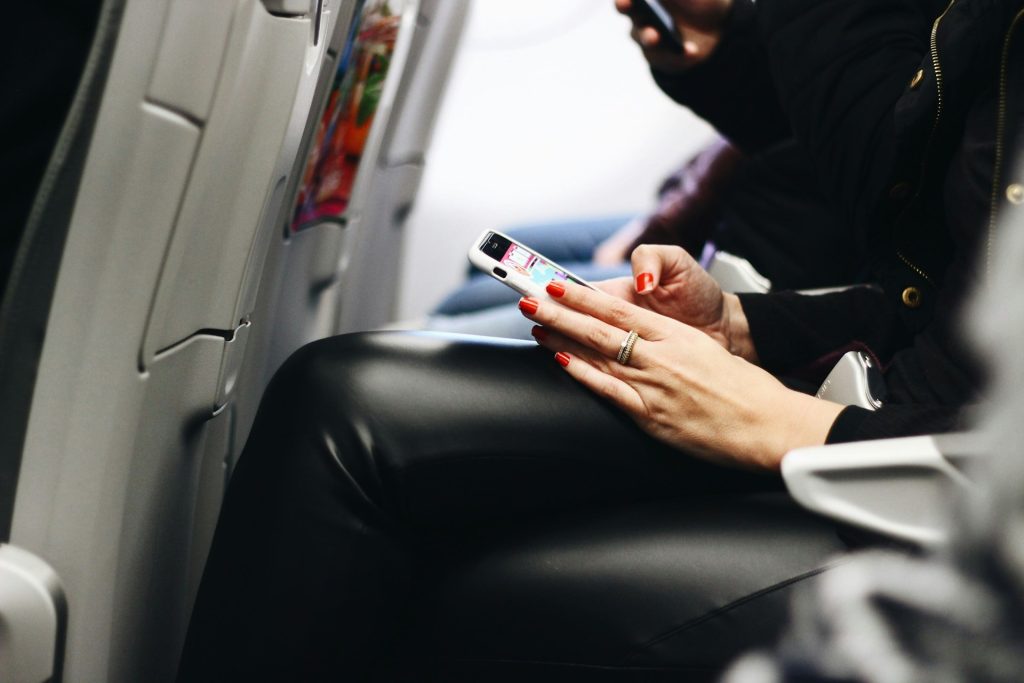
For passengers planning to travel by air, checking the latest power bank regulations prior to departure can help avoid disruptions during boarding or security checks. Given that requirements may vary across airlines and routes, consulting official guidelines in advance can reduce the likelihood of last-minute adjustments at the airport.