GLENDALE, CA - December 29, 2025 (NEWMEDIAWIRE) - As the year draws to a close, a familiar ritual begins. Mailboxes and inboxes overflow with glossy appeals from the giants of the cultural world - the massive, city-owned landmarks with soaring marble pillars and multi-million-dollar endowments. While these institutions undoubtedly provide jobs and essential services to the community, there is a quieter, more urgent story unfolding in the shadows of their grand halls. This December, forward-thinking donors are being asked to make a radical choice: to bypass the Goliaths and invest in the independent "Davids" of the museum world.
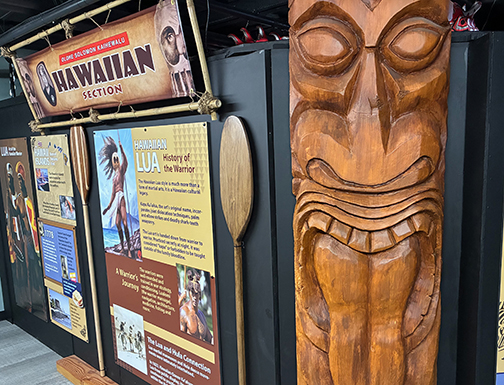
Small, independent museums are often the true keepers of a community’s soul. Despite their modest footprints, many of these organizations engage in grassroots outreach that far exceeds the efforts of their larger, fully-funded counterparts. They are the agile, boots-on-the-ground facilities that preserve niche histories, support local schools, and open doors for a new generation that the "big box" museums often overlook. Yet, while the massive institutions collect the lion’s share of year-end contributions, smaller museums frequently find themselves in a desperate struggle just to keep the lights on.
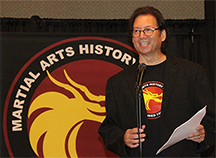
The disparity isn't just a matter of marketing; it is built into the very system of philanthropy. Michael Matsuda, president of the Martial Arts History Museum, who has navigated these waters for years, points to a frustrating reality known as the "Grant Gap." He notes that grants are notoriously difficult to secure because the playing field is rarely level. According to Matsuda, the process is often less about the quality of the work and more about name recognition. He explains that if a grant-maker doesn’t already know your organization, the most brilliant proposal in the world often won't matter. While the larger, household-name museums receive hundreds of thousands of dollars for the same applications, smaller organizations are frequently denied simply because they lack the institutional "clout." "This goes for large, independent donors as well."
This cycle creates a glass ceiling for independent museums, preventing them from evolving into the larger, community-oriented facilities they have the potential to become. By reallocating even a small portion of year-end giving toward these independent spaces, donors can have a disproportionately high impact. In a massive institution, a donation might be a drop in a very large bucket; in a small museum, that same gift can be the difference between a new exhibit opening or a vital piece of local history being lost forever.
As we look toward the new year, we are asking the public to consider the weight of their influence. Smaller museums are doing their best to keep history alive and provide a support system for the community, but they cannot do it alone. Making a bold move this year means looking past the marble pillars and investing in the organizations that are doing the heavy lifting at the grassroots level. It is an opportunity to ensure that the diverse, local, and independent voices of our history continue to have a home.
Consider making your first move with the Martial Arts History Museum. A Glendale, CA-based facility that is doing its best to keep history and culture alive for this and future generations. Visit MAmuseum.com.